
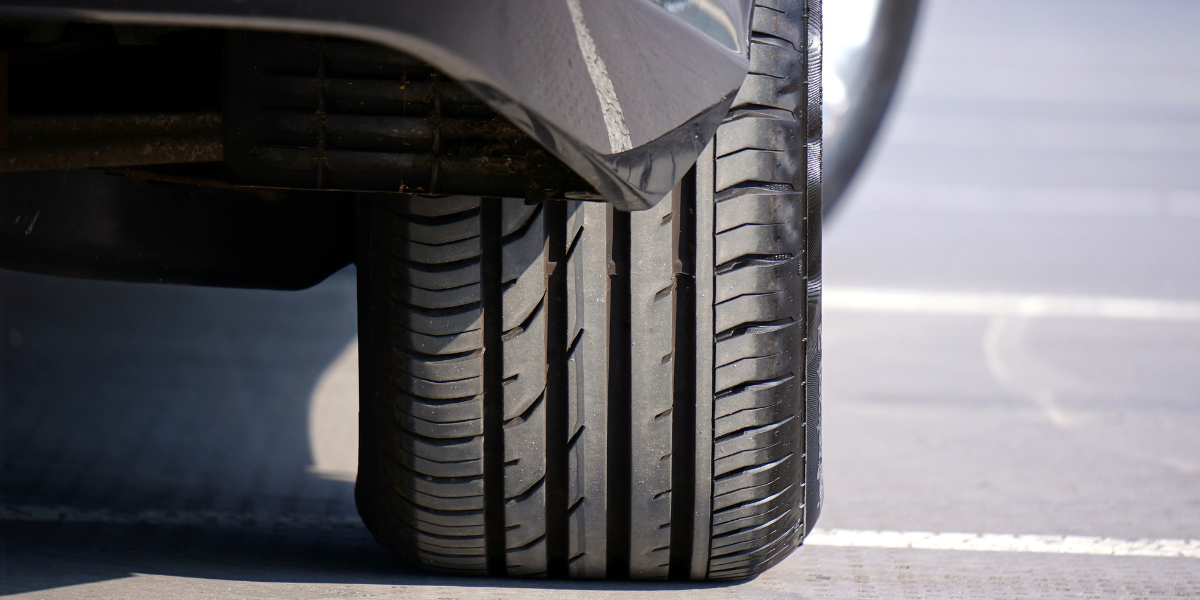
A tire going completely flat while you are driving can happen without warning. One moment the road feels normal, and the next you feel pulling, thumping, or a sudden loss of control. It is a stressful moment, but knowing exactly what to do if a tire goes completely flat while driving can help you stay safe and avoid making the situation worse. Here is a clear, step by step guide to handling a flat tire on the road, plus when it makes sense to call in a professional roadside assistance team.
Before you can react correctly, it helps to recognize the signs. A tire that has gone completely flat while driving usually causes one or more of the following:
If you notice any of these signs, it is time to move through the steps below rather than continuing to drive normally.
Your first instinct might be to hit the brakes, but slamming on the brakes with a flat tire can cause you to lose control. Instead, take your foot off the gas and let the car slow down gradually.
As soon as you notice the flat, turn on your hazard lights. This warns other drivers that you are slowing down or having an issue, which is especially important on busy Seattle roads and highways.
A flat tire can pull the car to one side. Hold the steering wheel firmly with both hands and correct gently to keep the car moving in a straight line. Avoid sharp or sudden steering movements.
Look for the nearest safe spot, such as a shoulder, parking lot, or side street, away from moving traffic. Avoid stopping on a curve, hill, or narrow shoulder where other cars may not see you in time.
Once you are safely off the road, shift into park, set the parking brake, and turn on your hazards if you have not already. Take a look at the tire from a safe distance to understand what you are dealing with before deciding on next steps.
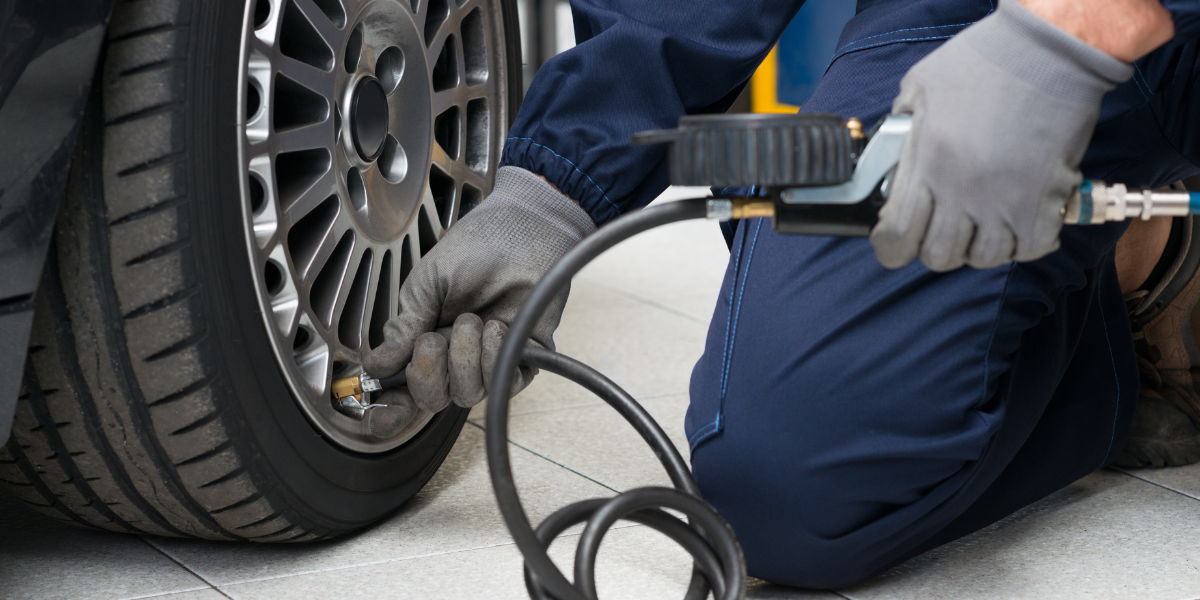
If you are in a safe, flat location away from traffic, have a working spare, and feel comfortable with the process, changing the tire yourself is an option. This generally involves loosening the lug nuts, lifting the car with a jack, swapping the flat for the spare, and tightening the lug nuts once the car is back on the ground.
There are situations where changing the tire yourself is not the safest or most practical choice. Consider calling a professional roadside assistance service if:
This is exactly where a service like AutoTroop can help with flat tyre services. Our Seattle based roadside assistance team can come to your location, assess the tire, and either swap it for your spare or arrange a tow, so you are not left stranded or trying to handle a risky roadside repair alone.
While not every flat tire can be avoided, a few habits can lower your risk:
Many drivers think they can continue driving for a short distance after a tire goes completely flat while driving, especially if they are close to home or a repair shop. Unfortunately, even a few hundred metres on a flat tire can cause far more damage than the original puncture.
When there is little or no air pressure, the tire’s sidewalls collapse and become pinched between the wheel and the road. This can permanently damage the tire, bend or crack the wheel rim, affect your vehicle’s suspension, and in some cases even lead to brake or alignment issues. What could have been a simple tire repair may turn into a much more expensive replacement and additional vehicle repairs.
If you cannot safely reach a nearby parking area within a very short distance, it is usually better to pull over as soon as it is safe and call for professional roadside assistance. AutoTroop’s experienced technicians can quickly reach your location, inspect the damage, and help you avoid unnecessary repair costs while getting you back on the road safely.
Frequently Asked Questions
No. Driving on a completely flat tire, even for a short distance, can damage the wheel rim and make the tire unsafe to repair. Pull over as soon as it is safe to do so.
Common causes include punctures from road debris, sudden blowouts from worn tread or high heat, valve stem leaks, and existing damage that finally gives out under driving pressure.
It is best to avoid this if possible. Even driving slowly on a flat tire can cause lasting damage to the tire and wheel. If you cannot pull over immediately, drive as short a distance as possible at a low speed, then stop.
A flat tire while driving is unsettling, but you do not have to handle it alone. If you need a tire change, tow, or roadside support anywhere in the Seattle area, AutoTroop is available to help you get back on the road safely.